
Introduction
Most burglaries are not random acts. In fact, criminals carefully choose their targets based on opportunity, risk, and reward. Understanding how criminals choose their targets is one of the most powerful ways to prevent break-ins and protect your home.
By learning what burglars look for, you can eliminate vulnerabilities and make your home far less appealing to potential intruders.
1. Easy Access Points
One of the biggest factors criminals consider is how easy it is to get inside.
Burglars look for:
- Unlocked doors or windows
- Weak locks or outdated hardware
- Sliding glass doors without security bars
- Garage doors left open
Many break-ins happen simply because access points are unsecured.
How to Reduce Risk:
- Install deadbolts on exterior doors
- Use window locks and security film
- Secure sliding doors with track bars
- Always lock doors—even when home
2. Lack of Visibility
Criminals prefer homes where they can operate unseen.
Common warning signs include:
- Poor lighting around entry points
- Overgrown shrubs or trees
- Dark backyards or side yards
- Hidden entryways
Visibility increases risk for criminals, so they choose darker environments.
How to Prevent This:
- Install motion sensor lights
- Trim landscaping near doors and windows
- Keep exterior areas well lit at night
Lighting alone can deter many opportunistic burglars.
3. Signs the Home Is Unoccupied
Burglars often “case” homes before breaking in.
They look for:
- Packages piling up
- Mail overflowing
- No cars in the driveway
- Lights always off
- Social media posts showing travel plans
Empty homes are high-reward, low-risk targets.
Smart Prevention Tips:
- Use timers or smart lights
- Ask neighbors to collect mail
- Avoid posting travel plans online
- Park a vehicle in the driveway when away
4. Lack of Security Systems
Homes without visible security measures are far more likely to be targeted.
Criminals avoid homes that have:
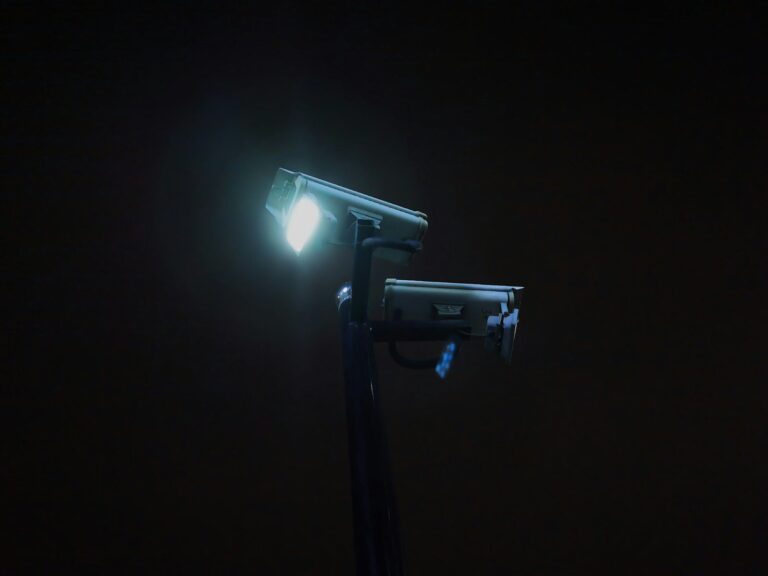
- Security cameras
- Alarm system signage
- Video doorbells
- Visible monitoring devices
Even basic security indicators can deter crime.
5. Valuable Items in Plain Sight
Burglars often scout homes for signs of wealth.
They notice:
- Electronics visible through windows
- Expensive vehicles
- Packages left unattended
- Open blinds revealing valuables
If criminals believe the reward is high, they’re more likely to take the risk.
Reduce Visibility:
- Keep blinds closed at night
- Avoid storing valuables near windows
- Bring packages inside promptly
6. Predictable Daily Routines
Routine patterns help criminals identify the best time to strike.
They may watch for:
- Regular departure times
- Consistent work schedules
- Empty homes during specific hours
Predictability lowers risk for criminals.
Increase Safety:
- Vary routines occasionally
- Use smart devices to simulate activity
- Stay aware of suspicious behavior in your neighborhood
7. Low Neighborhood Awareness
Criminals prefer areas where:
- Neighbors rarely communicate
- There is little foot traffic
- No neighborhood watch exists
Community awareness significantly reduces crime.
Improve Neighborhood Safety:
- Get to know your neighbors
- Report suspicious activity
- Participate in community watch programs
Signs Your Home May Be Targeted
Watch for these warning signs:
- Unfamiliar vehicles parked nearby
- Strangers taking photos of homes
- Flyers or objects left on your door
- Repeated doorbell ringing with no response
Recognizing these early can help prevent crime.
Final Thoughts
Understanding how criminals choose their targets gives you a powerful advantage. Most burglars are opportunists who look for easy, low-risk homes. By increasing visibility, securing entry points, and practicing smart safety habits, you can make your home far less appealing.
In home security, prevention begins with awareness.