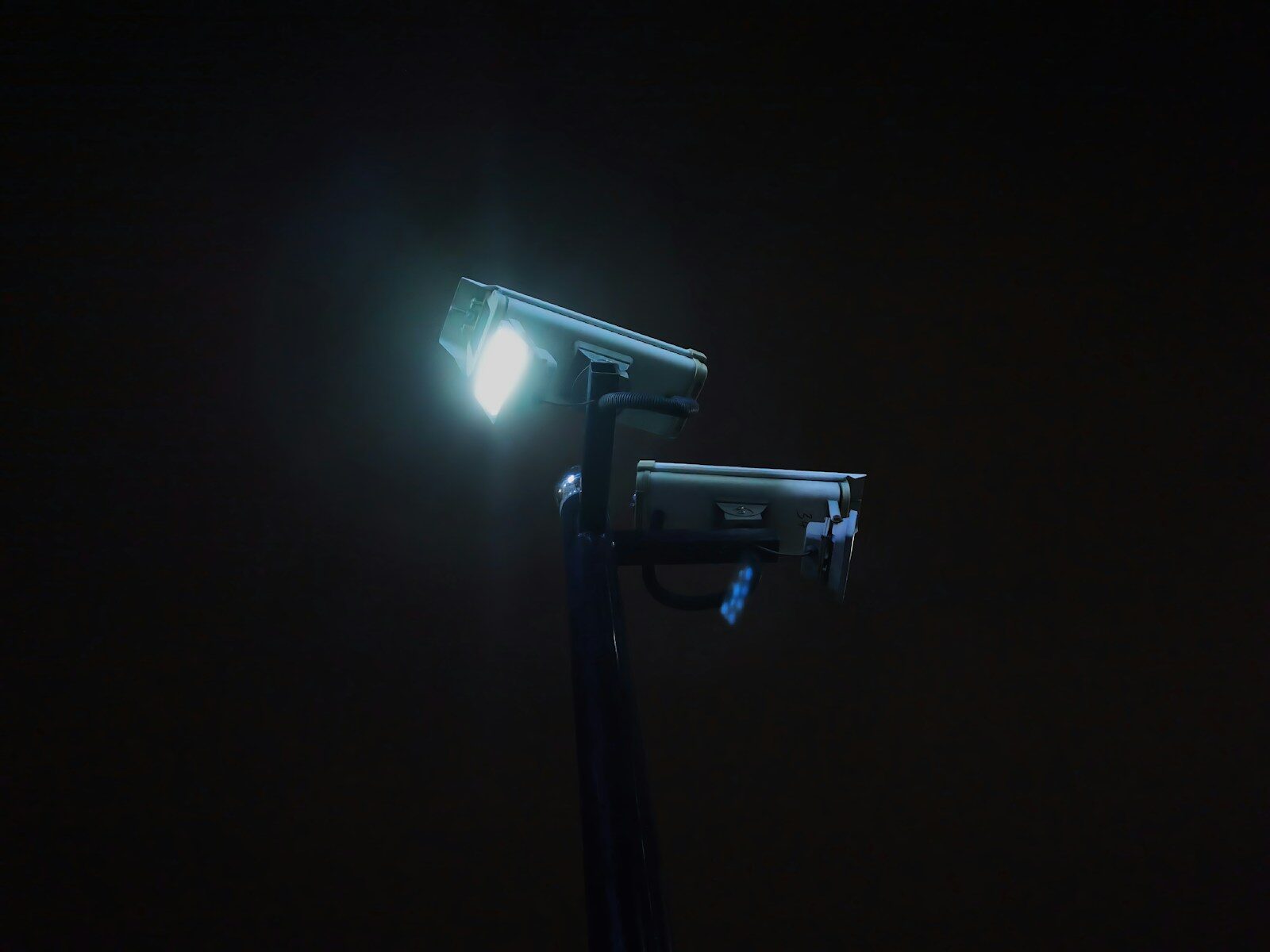

Installing security cameras is one of the most effective ways to protect your home and family. However, even the best camera system won’t do much good if the cameras are placed in the wrong locations. Strategic camera placement can help deter criminals, provide valuable evidence, and eliminate blind spots around your property.
In this guide, we’ll cover the most important areas to monitor and common mistakes homeowners should avoid when installing security cameras.
Why Camera Placement Matters
Most burglars look for easy targets. Visible security cameras often cause criminals to move on to another home. But cameras are only effective if they capture key entry points and areas where suspicious activity is likely to occur.
A well-designed camera system should:
- Monitor all major entry points.
- Eliminate blind spots.
- Capture clear images day and night.
- Provide coverage of valuable assets and vulnerable areas.
Let’s look at the best locations around your home.
1. Front Door
Your front door should be the first place you install a security camera.
Studies have shown that many burglars enter through the front door, either by forcing entry or taking advantage of an unlocked door.
Best Practices:
- Position the camera above the door or slightly to the side.
- Ensure faces can be clearly identified.
- Consider a video doorbell for additional coverage.
A front-door camera can also help monitor package deliveries and deter porch pirates.
2. Driveway
Your driveway provides a clear view of vehicles, visitors, and anyone approaching your home.
Benefits:
- Monitor vehicle break-ins.
- Record license plates when possible.
- Identify suspicious activity before someone reaches your house.
Aim the camera to capture the entire driveway while avoiding glare from headlights.
3. Back Door
Many homeowners focus on the front of the house while neglecting the rear.
Unfortunately, burglars often prefer back entrances because they’re less visible from the street.
Best Practices:
- Cover all rear entrances.
- Ensure adequate lighting at night.
- Position the camera high enough to avoid tampering.
4. Garage and Garage Doors
Garages often contain expensive tools, equipment, bicycles, and vehicles.
Install cameras that monitor:
- Garage doors.
- Side garage entrances.
- Detached garages.
If your garage connects directly to your home, protecting this area becomes even more important.
5. Side Yards and Gates
Side yards are common blind spots.
Criminals frequently use side gates or narrow walkways to approach a home unseen.
A camera overlooking these areas can provide early warning of suspicious activity.
Monitor:
- Fence gates.
- Side pathways.
- Utility access areas.
6. Backyard
Backyards offer privacy—but that privacy can also benefit criminals.
A backyard camera can help monitor:
- Patio doors.
- Swimming pools.
- Storage sheds.
- Outdoor equipment.
Families with children may also appreciate the added safety of monitoring pool areas and play spaces.
7. Ground-Level Windows
Many break-ins occur through windows.
You don’t necessarily need a camera pointed at every window, but focus on:
- Windows hidden by landscaping.
- Basement windows.
- Windows not visible from the street.
Combine cameras with motion-activated lighting for added security.
8. Main Interior Entry Points
While exterior cameras should be your priority, an interior camera can provide additional protection.
Good locations include:
- Main hallways.
- Entry foyers.
- Common living areas.
Avoid placing cameras in private areas such as bedrooms or bathrooms.
Common Security Camera Placement Mistakes
Pointing Cameras Too High
A camera that only captures the top of someone’s head won’t help identify them.
Ignoring Lighting Conditions
Test cameras during both daytime and nighttime hours.
Creating Blind Spots
Walk around your property and identify areas that aren’t visible from any camera.
Overlooking Wi-Fi Signal Strength
Wireless cameras need a strong connection to provide reliable coverage.
Installing Cameras Within Easy Reach
Mount cameras high enough to discourage tampering or vandalism.
Bonus Tip: Create Layers of Security
Security cameras work best when combined with:
- Motion sensor lighting.
- Security signs.
- Smart locks.
- Alarm systems.
- Neighborhood awareness.
Think of your home security plan as multiple layers working together to deter crime.
Final Thoughts
The goal of a home security camera system isn’t just to record crime—it’s to prevent it.
By focusing on key areas such as your front door, driveway, back entrances, garage, and side yards, you can dramatically improve your home’s security and gain peace of mind.
Remember: the best camera system is the one that covers the areas criminals are most likely to target while eliminating blind spots around your property.
A little planning today can make a big difference in protecting your home tomorrow.