
Simple Rules That Can Save Lives
Fire safety isn’t about creating fear—it’s about building muscle memory.
When kids know exactly what to do, they’re far more likely to act quickly and safely during an emergency.
The problem? Many children are told fires are dangerous but are never taught clear, age-appropriate actions.
This guide covers the essential fire safety lessons every child should know, explained in a way kids can remember—and parents can confidently teach.
Why Fire Safety Education Matters
House fires move fast. Smoke spreads faster. Panic makes things worse.
Kids who are prepared:
- React instead of freezing
- Follow exit plans
- Avoid dangerous mistakes
- Know when and how to get help
Fire safety is not a one-time talk—it’s a repeatable skill.
1. Teach Kids What Fire and Smoke Really Do
Kids should understand:
- Fire is hot and spreads quickly
- Smoke rises and makes it hard to breathe
- Smoke can be more dangerous than flames
Use simple language:
“Fire hurts. Smoke hides and makes breathing hard.”
This helps kids understand why rules matter.
2. Smoke Alarms Are Not Toys
Kids should know:
- What a smoke alarm sounds like
- That the sound means get out immediately
- Never to remove batteries or cover alarms
Practice saying:
“If it beeps loudly, we go outside right away.”
3. Crawl Low Under Smoke
One of the most important lessons kids can learn.
Teach them:
- Smoke rises
- The cleanest air is low
- Crawl on hands and knees if there’s smoke
Practice crawling during drills so it feels natural.
4. Know Two Ways Out of Every Room
Kids should know:
- Their main exit
- A backup exit (window or second door)
Teach them:
- How to open windows (if age-appropriate)
- Never to hide under beds or in closets
- Doors can be hot—use the back of the hand to check
If the door is hot: do not open it.
5. Stop, Drop, and Roll
Kids still need this classic lesson—just taught clearly.
Explain it simply:
- Stop moving
- Drop to the ground
- Roll to put out flames
Practice slowly so kids remember the steps without panic.
6. Never Go Back Inside
This rule saves lives.
Kids should know:
- Once outside, stay outside
- Never go back for pets, toys, or phones
- Firefighters will handle the rest
Reinforce:
“Things can be replaced. You can’t.”
7. Know the Family Meeting Spot
Every family should have:
- One clear meeting location outside
- A rule that everyone stays there
Kids should know:
- Where the spot is
- That it helps adults know they’re safe
Count heads—every time.
8. How and When to Call 911
Kids should learn:
- How to dial 911
- What to say
- Their address (or how to describe where they are)
Teach them:
- It’s okay to call for real emergencies
- They won’t get in trouble for asking for help
9. What NOT to Do During a Fire
Kids should never:
- Hide
- Use elevators
- Open hot doors
- Try to put out big fires
- Delay escape
Clear “don’t” rules prevent dangerous instincts.
Fire Drills: Practice Without Fear
Practice makes this automatic.
Tips:
- Practice during the day
- Practice at night
- Use calm voices
- Praise correct actions
Keep drills short and positive.
Age-Based Teaching Tips
Preschool–Early Elementary
- Simple rules
- Repetition
- Hands-on practice
Upper Elementary
- Two exits
- Responsibility awareness
- Helping younger siblings safely
Teens
- Leadership roles
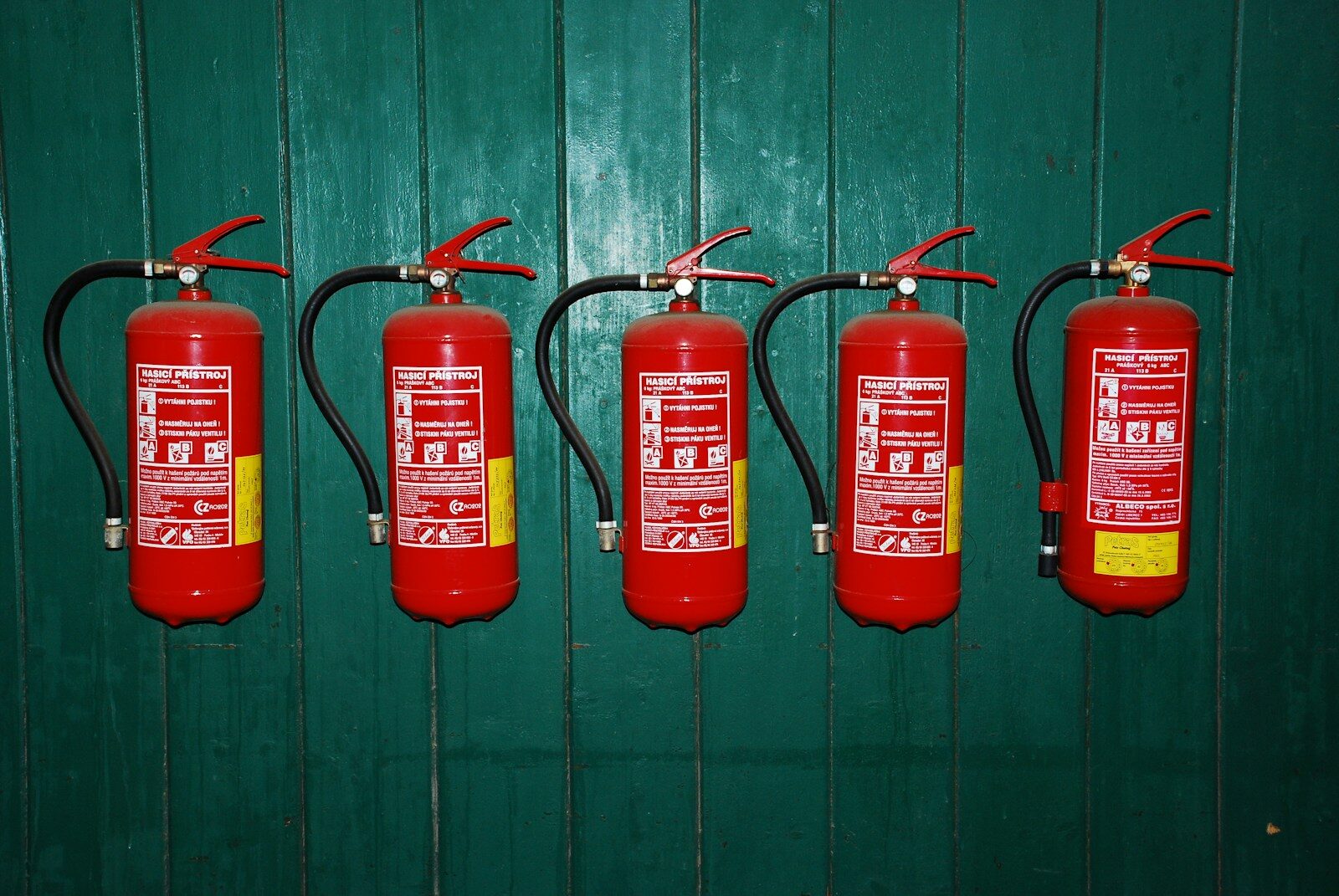
- Fire extinguisher basics
- Decision-making under pressure
Final Thought for Parents
Fire safety isn’t about scaring kids—it’s about preparing them.
When children know:
- What the alarm means
- Where to go
- How to move
- When to get help
They’re far more likely to survive a real emergency.
Prepared kids are safer kids.