Introduction
Most parents take steps to keep their homes safe—installing smoke detectors, locking doors, and using outlet covers. But many serious hazards aren’t as obvious. In fact, some of the most dangerous risks for children are the ones hiding in plain sight.
From everyday objects to overlooked habits, these hidden household dangers can lead to injuries if left unchecked. The good news? With awareness and a few simple fixes, you can make your home significantly safer.
1. Furniture Tip-Overs
Heavy furniture like dressers, bookshelves, and TVs can tip over if a child climbs on them.
Why it’s dangerous: Tip-over accidents can cause serious head injuries or even fatalities.
How to fix it:
- Anchor furniture to the wall using anti-tip brackets
- Avoid placing toys or remotes on top (kids will try to climb)
- Keep TVs secured and mounted when possible
🔌 2. Loose Cords and Outlets
Electrical cords, power strips, and uncovered outlets can pose multiple risks.
Why it’s dangerous:
- Shock hazards
- Strangulation risk (especially for toddlers)
How to fix it:
- Use outlet covers
- Keep cords out of reach or secured with cord organizers
- Avoid running cords under rugs where they can overheat
3. Everyday Household Chemicals
Cleaning supplies, laundry pods, and even medications can look harmless—but they’re not.
Why it’s dangerous: Poisoning is one of the leading causes of injury in young children.
How to fix it:
- Store all chemicals in locked cabinets
- Keep items in original containers with labels
- Never call medicine “candy”
4. Windows Without Safety Locks
Open windows—especially on upper floors—are a serious fall risk.
Why it’s dangerous: Children can easily push through screens, which are not designed to hold weight.
How to fix it:
- Install window guards or locks
- Keep furniture away from windows
- Supervise children in rooms with open windows
5. Bathroom Hazards
Bathrooms are one of the most dangerous rooms in the house for kids.
Hidden risks include:
- Slippery floors
- Hot water burns
- Access to medications and razors
How to fix it:
- Use non-slip mats
- Set your water heater to 120°F or lower
- Store medications and sharp objects securely
6. Choking Hazards You Don’t Think About
It’s not just small toys—common foods and objects can also be dangerous.
Examples:
- Grapes, hot dogs, popcorn
- Coins, batteries, small toy parts
How to fix it:
- Cut food into small, safe pieces
- Keep small objects out of reach
- Learn basic choking first aid
7. Button Batteries
Button batteries are found in remotes, toys, and small electronics.
Why it’s dangerous: If swallowed, they can cause severe internal burns within hours.
How to fix it:
- Keep devices secured and out of reach
- Use battery compartments that require tools to open
- Dispose of old batteries immediately
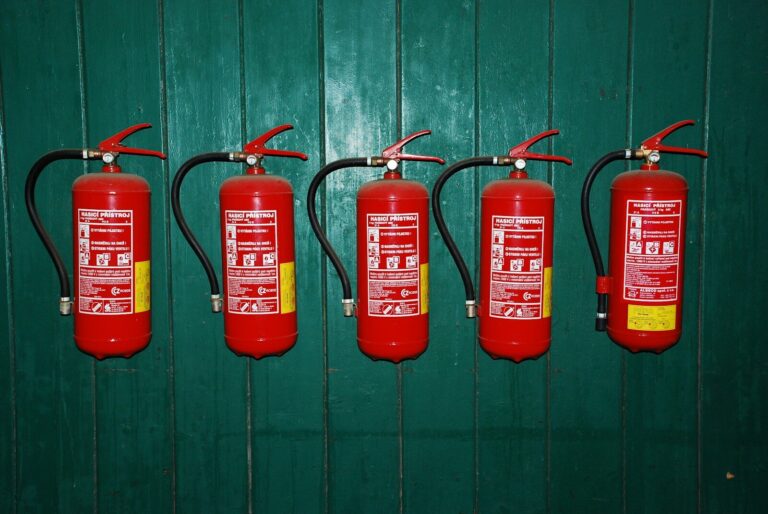
8. Unchecked Smoke and Carbon Monoxide Detectors
Many homes have detectors—but they’re often not maintained.
Why it’s dangerous: A non-working detector won’t alert you during a fire or gas leak.
How to fix it:
- Test detectors monthly
- Replace batteries at least once a year
- Install detectors on every level of your home
9. Doors and Hinges
Doors can be a surprising source of injury.
Why it’s dangerous: Fingers can get caught in hinges or slammed doors.
How to fix it:
- Install finger pinch guards
- Use door stoppers
- Teach kids to keep hands away from door edges
10. Pet-Related Risks
Even well-trained pets can pose risks to young children.
Why it’s dangerous: Bites, scratches, or accidental knockdowns can occur.
How to fix it:
- Always supervise interactions
- Teach kids how to approach animals safely
- Give pets a safe space away from children
Final Thoughts
Child safety isn’t just about obvious hazards—it’s about identifying the risks you don’t immediately see. By addressing these hidden dangers, you create a safer environment where your children can explore and grow with confidence.
Take a few minutes today to walk through your home from your child’s perspective. You might be surprised at what you notice.
Small changes can make a big difference.