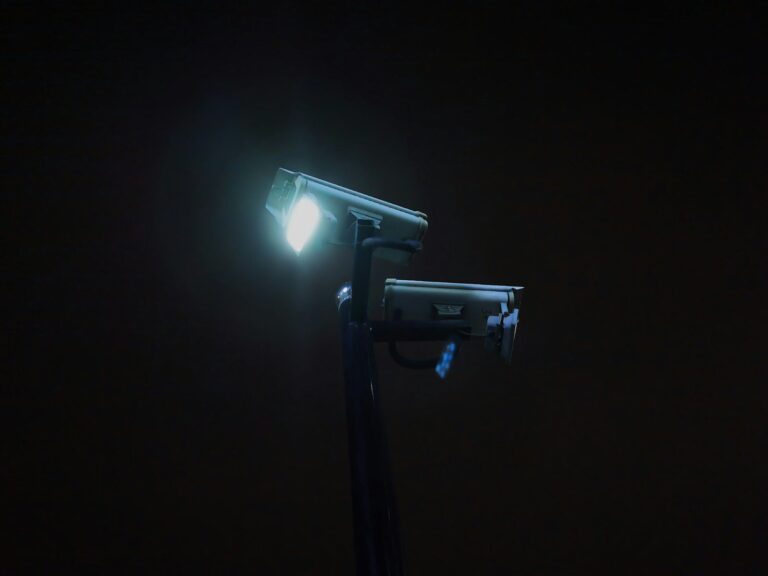
Discovering that your home has been broken into is one of the most unsettling experiences a person can face. Beyond the stolen property or damage, it can leave families feeling vulnerable, anxious, and unsure of what to do next.
In many cases, the moments immediately following a break-in are critical. The actions you take can help protect your safety, preserve evidence, assist law enforcement, and reduce the chances of future incidents.
Here’s a practical step-by-step guide on what to do after a home break-in.
1. Do NOT Enter the Home Immediately
If you arrive home and notice signs of forced entry — such as a broken window, damaged door, or items out of place — do not rush inside.
The suspect may still be inside the residence.
Instead:
- Stay outside in a safe location
- Call 911 immediately
- Observe from a distance
- Avoid touching doors, windows, or anything near the entry point
Your safety is the priority. Property can be replaced. People cannot.
2. Call Law Enforcement Right Away
Report the incident as soon as possible.
When speaking with dispatchers, provide:
- Your address
- What you observed
- Whether you believe someone may still be inside
- Any suspicious vehicles or individuals nearby
If possible, stay on the phone until deputies or officers arrive.
Law enforcement may clear the residence before allowing you to enter safely.
3. Avoid Touching Anything
One of the biggest mistakes homeowners make is immediately cleaning up or moving items around.
Try to preserve the scene as much as possible.
Important evidence may include:
- Fingerprints
- Shoe impressions
- Tool marks
- DNA evidence
- Surveillance footage
- Points of entry
Avoid:
- Picking up objects
- Closing doors or windows
- Cleaning broken glass
- Reorganizing disturbed areas
Even small details can help investigators.
4. Document Everything
Once law enforcement says it is safe to enter, begin documenting the damage and missing property.
Take photos or videos of:
- Forced entry points
- Damaged locks or windows
- Ransacked rooms
- Missing valuables
- Broken property
Create a list of stolen items that includes:
- Brand names
- Model numbers
- Serial numbers
- Estimated values
This information helps both investigators and insurance companies.
5. Check Your Security Cameras Immediately
If you have security cameras or a video doorbell, review the footage as soon as possible.
Look for:
- Suspect descriptions
- Clothing
- Vehicles
- Direction of travel
- Timeframes
Save copies of the footage immediately.
Many systems overwrite recordings automatically after several days.
If neighbors have cameras, ask whether they captured anything suspicious.
6. Contact Your Insurance Company
File a homeowners or renters insurance claim as soon as possible.
Most insurance companies will ask for:
- A police report number
- Photos of damage
- A list of stolen items
- Receipts or proof of ownership when available
Keep copies of:
- Repair estimates
- Temporary housing expenses (if needed)
- Emergency repairs
The more organized your documentation is, the smoother the claims process usually becomes.
7. Secure the Home Immediately
After the investigation is complete, secure the residence as quickly as possible.
This may include:
- Replacing locks
- Boarding broken windows
- Repairing doors
- Resetting alarm systems
- Changing garage codes
- Updating passwords for smart home devices
If keys were stolen, consider changing all exterior locks.
8. Watch for Signs of Identity Theft
Many burglars look for more than electronics or jewelry.
They may steal:
- Checks
- Personal documents
- Financial records
- Passports
Monitor:
- Bank accounts
- Credit card activity
- Credit reports
Consider placing fraud alerts or freezing your credit if sensitive information was taken.
9. Talk to Your Family
A break-in can affect children and family members emotionally.
Some people may:
- Feel unsafe at home
- Have trouble sleeping
- Become anxious or hypervigilant
Discuss the situation calmly and honestly.
Focus on:
- Safety improvements being made
- Emergency plans
- Awareness without fear
Restoring a sense of security is important after any traumatic event.
10. Learn From the Incident
While no security measure guarantees complete protection, many break-ins reveal vulnerabilities homeowners did not realize existed.
Consider:
- Improving exterior lighting
- Installing cameras
- Reinforcing doors and windows
- Trimming landscaping around entry points
- Using timers for lights when away
- Building layered security habits
Criminals often look for easy opportunities. Simple improvements can significantly reduce risk.
Common Entry Points Burglars Use
Understanding how criminals commonly enter homes can help prevent future incidents.
Typical entry points include:
- Front doors with weak frames
- Sliding glass doors
- Unlocked windows
- Garage side doors
- Rear doors hidden from view
Many burglaries occur because of convenience and opportunity — not sophisticated tactics.
Final Thoughts
A home break-in can feel deeply personal and unsettling. But taking calm, deliberate steps afterward can help protect your family, preserve evidence, and regain control of the situation.
The goal of home security is not fear. It is preparation, awareness, and reducing opportunities for crime.
Strong security starts with layers:
- Awareness
- Good habits
- Physical security
- Lighting
- Visibility
- Technology
- Community involvement
Even small improvements can make a meaningful difference in protecting what matters most.